












I laghi e gli stagni da idilliaci biotopi possono trasformarsi in pozze di fango maleodoranti. Si tratta di ecosistemi complessi, nei quali sono coinvolti molti fattori. L’apporto di Terra Biosa all’acqua permette di variare la composizione dei microrganismi nell’acqua. I microrganismi anaerobi, che producono sostanze tossiche quali acido solfidrico e metano, trovano cattive condizioni di vita. In questo modo si attiva un processo che favorisce i batteri ed i funghi utili e, pertanto, si realizza una parte importante di rigenerazione dell’equilibrio naturale nel quale possano crescere pesci e piante.
Altre informazioni:
I laghi e gli stagni da idilliaci biotopi possono trasformarsi in pozze di fango maleodoranti. Responsabile ne è spesso l’eccessivo apporto di sostanze nutritive che, essendo superiore al fabbisogno delle piante, genera la base per l’abnorme crescita di alghe. I laghi e gli stagni sono ecosistemi complessi, nei quali sono coinvolti molti fattori. Per questo motivo, prima di procedere alla pulizia è importante decidere come combinare i diversi fattori e pianificare la procedura della pulizia stessa. Circostanze che rivestono un ruolo, ad esempio, sono:
-
- apporto di sostanze nutritive
La prima domanda da porsi è: da dove provengono le sostanze nutritive?
Le sostanze nutritive possono provenire dai canali di drenaggio, dalle acque di superficie delle aree agricole o, nel caso peggiore, dall’afflusso di acque inquinate o non depurate. L’afflusso di sostanze nutritive va limitato o, ove possibile, bloccato. Il minimo da farsi è vedere se c’è la possibilità di realizzare un sistema semplice di depurazione che argini l’afflusso. Ciò può avvenire, ad esempio, con un semplice filtro biologico o con un filtro costituito da una vasta zona di radici;
- apporto di sostanze nutritive
-
- luce solare
La luce solare stimola la crescita delle alghe. Molta luce solare provoca una forte crescita delle alghe. Al contrario, se la luce è troppo poca, le piante acquatiche non riescono a crescere. La cosa migliore sarebbe schermare il lago dal lato sud dalla luce del sole e lasciare che la luce arrivi abbondante dal lato nord;
- luce solare
-
- vegetazione
Intorno al lago e sulla riva del lago: l‘apparato radicale della vegetazione intorno al lago e le canne palustri sulla riva possono contribuire a catturare le sostanze nutritive delle aree circostanti, per impedire il loro afflusso nel lago. Alcune piante palustri, come ad esempio la canna palustre, con le loro radici trasportano al contempo ossigeno al fondo del lago. Una vegetazione forte intorno al lago richiede delle cure che si concretizzano nell’allontanare le foglie; una forte caduta di foglie da alberi e cespugli, infatti, contribuisce ad insudiciare con sostanze nutritive l’acqua. Questo apporto di materiale organico, che richiede un compostaggio, comporta carenza di ossigeno, in quanto la decomposizione biologica consuma ossigeno;
- vegetazione
-
- pesci
E’ bene che nel lago ci siano dei pesci, ma è necessario ricordare che alcune specie di pesci si nutrono di dafnie (pulci d’acqua). A volte vengono mangiate anche piante che assumono sostanze nutritive e liberano ossigeno. Altre specie di pesci scavano il fondo del lago, danneggiandone la vegetazione. Non è consigliabile avere in gran numero pesci quali il leucisco rosso e l’abramide comune. Per mantenere basso il numero di questi pesci è necessario immettere pesci predatori, quali lucci e pesci persici, ad esempio. Un’alternativa potrebbe essere quella di tenere basso il numero dei pesci con la cattura. Se si pensa di utilizzare i pesci predatori, bisogna fare attenzione che molte di queste specie cacciano aiutandosi con la loro forza visiva e troveranno cattive condizioni ambientali se l’acqua del fondo sarà torbida a causa delle alghe o delle particelle fluttuanti. Nel lago non ci dovrebbero essere così tanti pesci da dover dar loro il cibo, a meno che non si tratti di uno stagno nel quale si desidera allevare dei pesci;
- pesci
-
- il fondo del laghetto
dovrebbe essere compatto, in quanto le piante del fondo non sono in grado di sviluppare radici nel fondo malfermo e povero di ossigeno;
- il fondo del laghetto
-
- il fango sul fondo
si forma quando sul fondo viene a mancare l’ossigeno necessario per decomporre il materiale organico. I microrganismi che dovrebbero essere presenti per rendere possibile il compostaggio, in genere sono aerobi: essi adoperano cioè ossigeno per vivere e moltiplicarsi. Se l’ossigeno viene a mancare preponderano i microrganismi anaerobi, che sono dei microrganismi che non adoperano ossigeno o addirittura non lo sopportano. Alcuni di questi microrganismi anaerobi producono una serie di sostanze tossiche, quali, ad esempio, metano, acido solfidrico e ammoniaca;
- il fango sul fondo
-
- piante del fondo
per vari motivi, sul fondo dovrebbero crescere parecchie piante. Le piante che crescono sul fondo raccolgono ossigeno, liberano ossigeno e le loro radici contribuiscono a tenere saldamente unito il fondo, in modo che non si smuovano particelle che intorbidano l’acqua.
- piante del fondo
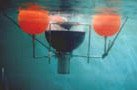
Bio Reco è disponibile in due versioni: Bio Reco 300 e Bio Reco 800, per piccoli o grandi laghi, stagni, depuratori, ecc.
Cosa fa Terra Biosa?
L’apporto di Terra Biosa all’acqua permette di variare la composizione dei microrganismi nell’acqua. I microrganismi anaerobi, che producono sostanze tossiche quali acido solfidrico e metano, trovano cattive condizioni di vita. In questo modo si attiva un processo che favorisce i batteri ed i funghi utili e, pertanto, si realizza una parte importante di rigenerazione dell’equilibrio naturale nel quale possano crescere pesci e piante. I microrganismi si sono dimostrati efficaci nell’eliminazione del nitrato. I microrganismi sono in grado di trasformare il nitrato in azoto libero e ossigeno, che poi vengono liberati nell’aria. Riducendo il contenuto di azoto nell’acqua, si impedisce la crescita delle alghe. In questo modo si riduce il contenuto di particelle organiche presenti nell’acqua e questo favorisce una migliore visibilità sul fondo.
Nel fango del fondo con cattive condizioni di ossigenazione crescono batteri che producono acido solfidrico, metano e ammoniaca. Per eliminarli è necessario creare delle condizioni in cui non possano crescere. Ciò può avvenire creando buone condizioni di ossigenazione o con l’apporto di altri batteri anaerobi, che siano in grado di contrapporsi e che non producano indesiderate sostanze tossiche. Tali batteri sono, ad esempio, i fermenti lattici ed alcuni tipi di batteri della fotosintesi. Questi batteri producono invece acidi organici, amminoacidi, vitamine, nonché zuccheri, anidride carbonica ed ossigeno. Tutte componenti utili a mantenere pulito e sano il laghetto. Quando i microrganismi cominciano a trasformare il fango del fondo, esso piano piano comincia a sgonfiarsi e a solidificarsi. Non appena il fondo è ben compatto, la vegetazione del fondo metterà radici, permettendo alla vegetazione che produce ossigeno di stabilizzarsi, a patto che vi siano le altre condizioni necessarie, quali la luce, ad esempio. Nel corso della trasformazione del fango del fondo si liberano sostanze nutritive; per questo motivo potrebbero esserci periodi in cui improvvisamente le alghe proliferano. Spesso dura poco, ma porta ad una colorazione marroncina dell’acqua.
Quanta Terra Biosa è necessario aggiungere?
Normalmente il dosaggio si aggira tra 1 dl ed 1 litro di Terra Biosa per 1000 litri di acqua. Non è possibile stabilire la quantità esatta per i singoli casi concreti poiché, come precedentemente illustrato, dipende da diversi fattori. E’ necessario, pertanto, provare. Si può aggiungere Terra Biosa in diversi modi: una grossa porzione in una sola volta o quantità minori suddivise in più volte. Normalmente si raccomanda di aggiungere piccole quantità in più volte, osservando con attenzione le variazioni che intervengono nel laghetto. Questo metodo si prolunga nel tempo, ma permette di dirigere almeno un po’ il processo. L’apporto di una grossa quantità di Terra Biosa in una volta sola (1 litro per 1000 litri di acqua) in genere ha effetti rapidi, ma è difficile da gestire. Si hanno spesso reazioni forti in forma di una grossa visibilità sul fondo, seguita da una colorazione "cioccolata" dell’acqua. Questa colorazione svanisce e non è affatto un segno che qualcosa non è a posto. La reazione è anzi auspicabile ed è segno che tutto funziona come si deve; bisogna solo armarsi di pazienza e aspettare che l’acqua torni ad essere limpida.
Ossidazione - Bio Reco (Biological Recovery / rigenerazione biologica)
Per ottenere un efficace risanamento dell’acqua, si raccomanda di combinare l’aggiunta di Terra Biosa con una forma di ossidazione. Bio Reco è un agente ossidante che, con la formazione di microbolle, ossigena l’acqua. I principi di Bio Reco si basano sulla teoria dei movimenti naturali, così come descritti da Viktor Schauberger. Secondo Schauberger le molecole d’acqua si muovono nell’acqua in spirali infinite. L’acqua pulita ha un alto livello energetico ed è in grado di mantenere un’elevata concentrazione di ossigeno. Quando l’acqua è inquinata, i movimenti naturali dell’acqua si riducono, l’acqua perde la sua energia vitale e la capacità di mantenere la concentrazione d’ossigeno, che diminuisce. Bio Reco è strutturato in modo da riprodurre meccanicamente i movimenti naturali; è considerevolmente più efficace rispetto all’utilizzo di impianti di ossigenazione tradizionali (compressori, ecc.).
Bio Reco imprime all’acqua un movimento a spirale naturale, processo che può essere mantenuto solo con piccole quantità di energia. Le spirali che si formano dai movimenti impressi all’acqua risucchiano l’aria atmosferica nell’acqua. Bio Reco trasforma questo afflusso di aria in milioni di microbolle. Lo sviluppo di superficie di questi milioni di bolle d’aria è enorme e la superficie di molecole d’acqua e di molecole di ossigeno è al massimo. Bio Reco paragonato ad altri metodi di ossigenazione risulta particolarmente efficace e il rapporto prezzo e prestazione è ottimale.
