









DrinkPure Filter
Water you can really trust.
Developed according to the latest scientific standards at the Swiss Federal Institute of Technology Zurich (ETH Zürich).
DrinkPure combines high-precision membrane filtration, high-quality activated carbon, and controlled scale reduction in a filtration system that works reliably in everyday life-without chemical additives.
It is not a marketing filter. But real and reliable water treatment.
In summary: what DrinkPure offers
-
Filters more than 100 substances including PFAS, microplastics, pesticides, pharmaceutical residues, hormones, bacteria, and rust
(laboratory tested, conforms to NSF 42, 53 & 401) -
Reduces odor and improves taste
-
Scale reduction that really works – for softer tasting water
-
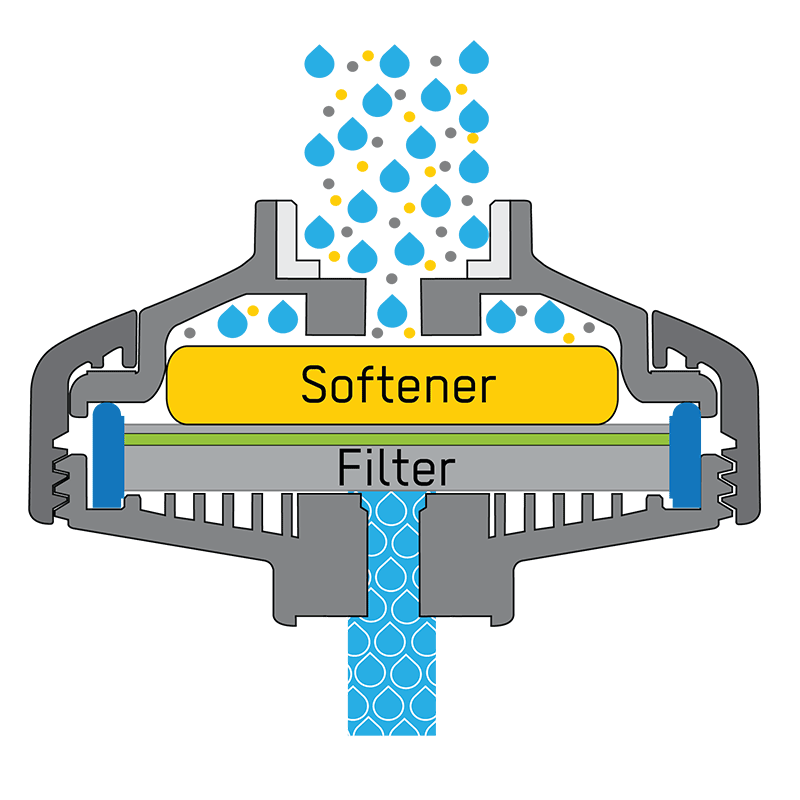
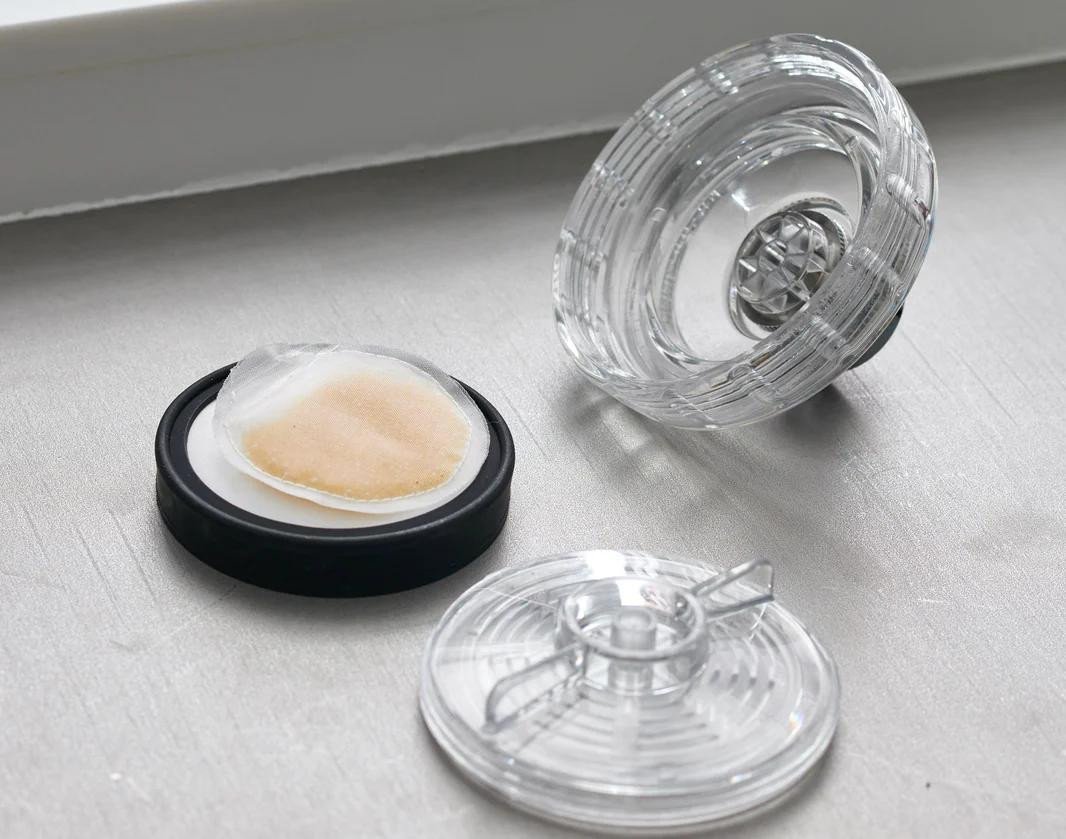
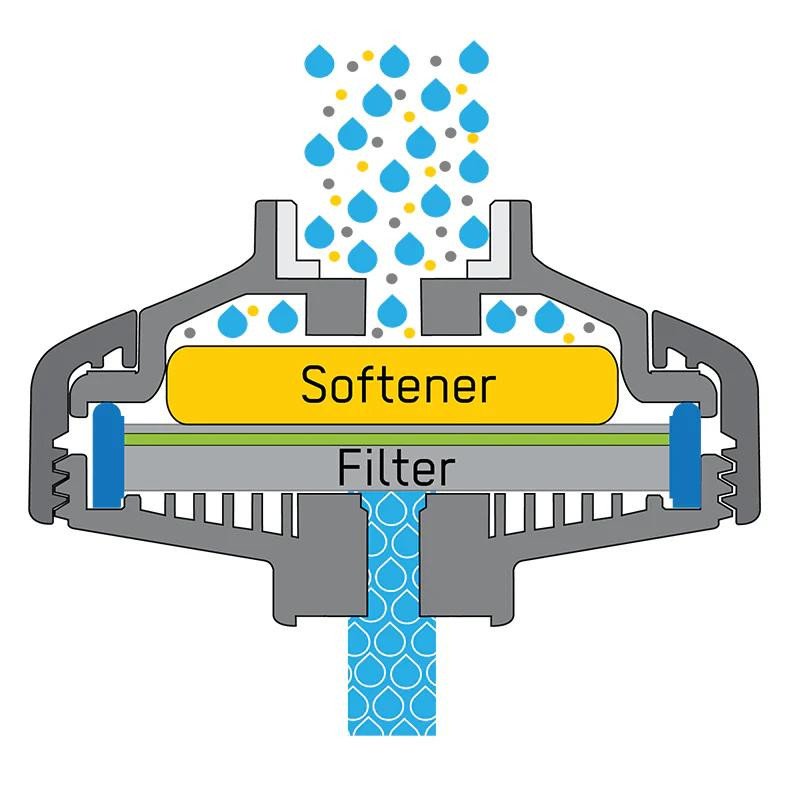
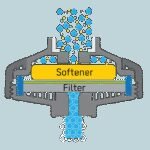
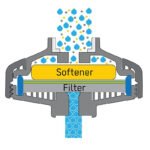
4-stage filtration: prefilter, 0.3 µm microfiltration membrane, activated carbon from coconut shells, ion exchanger
-
It works completely without chemical additives
-
Patented Swiss membrane technology-developed at ETH Zürich
-
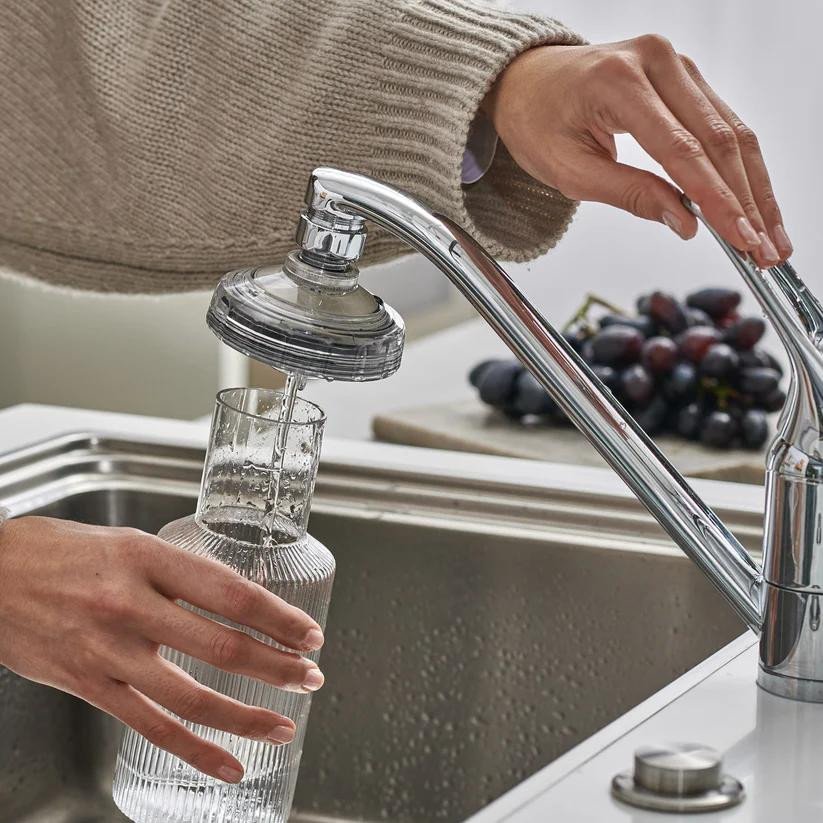
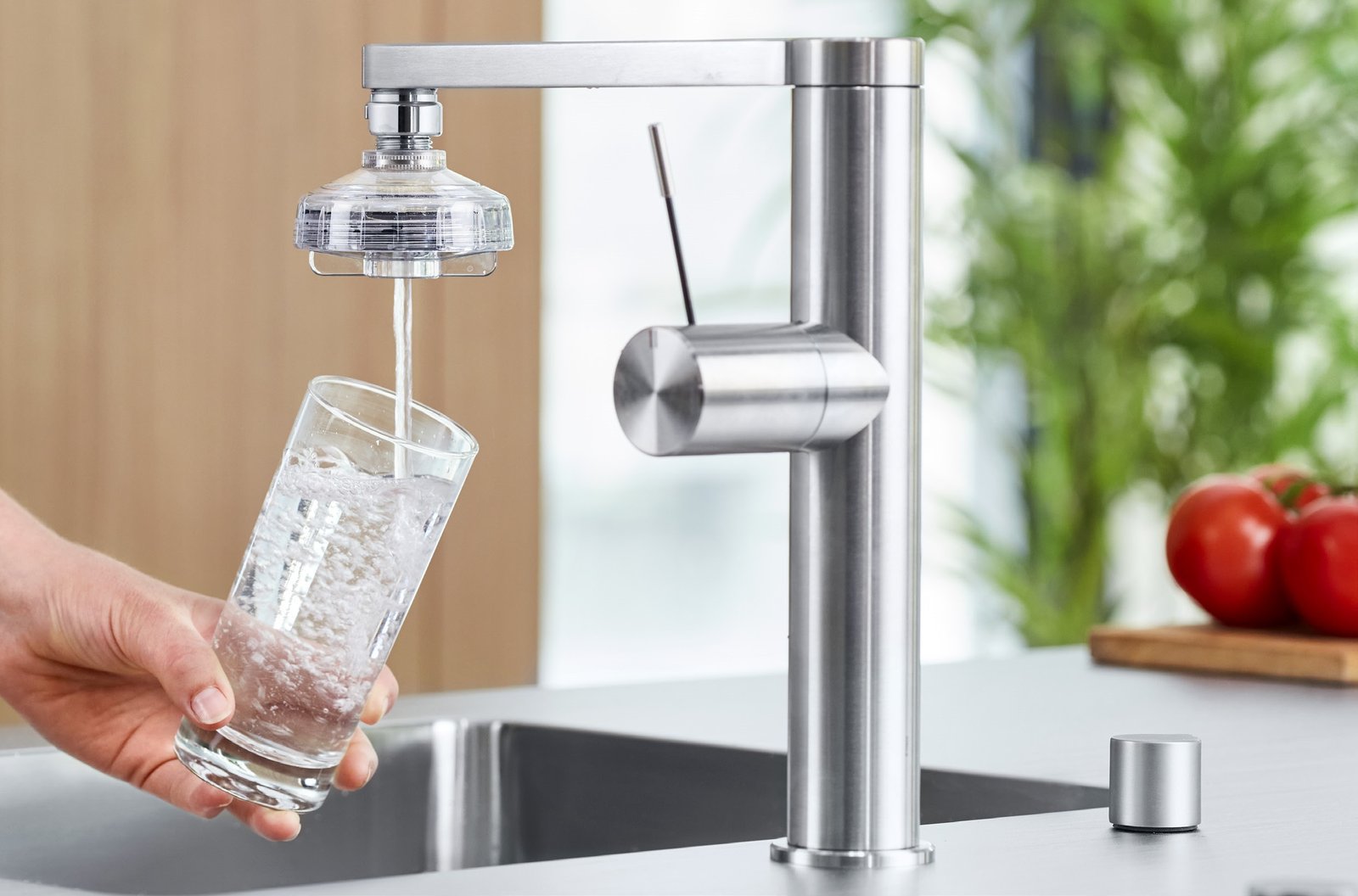
Installation in minutes, connectable and disconnectable in seconds when needed
-
Easily replaceable cartridges every 2 months
-
Sustainable alternative to plastic bottles
Filtration technology and structure (4 stages)
1) Prefilter
It retains coarse particles and protects later stages.
2) 0.3 µm microfiltration membrane
Physical barrier against particles and microorganisms.
Patented Swiss membrane technology – PFAS-free membrane, Made in Switzerland.
3) Activated carbon (from coconut shells).
It binds trace organic substances, reduces chlorine and odors, and improves taste.
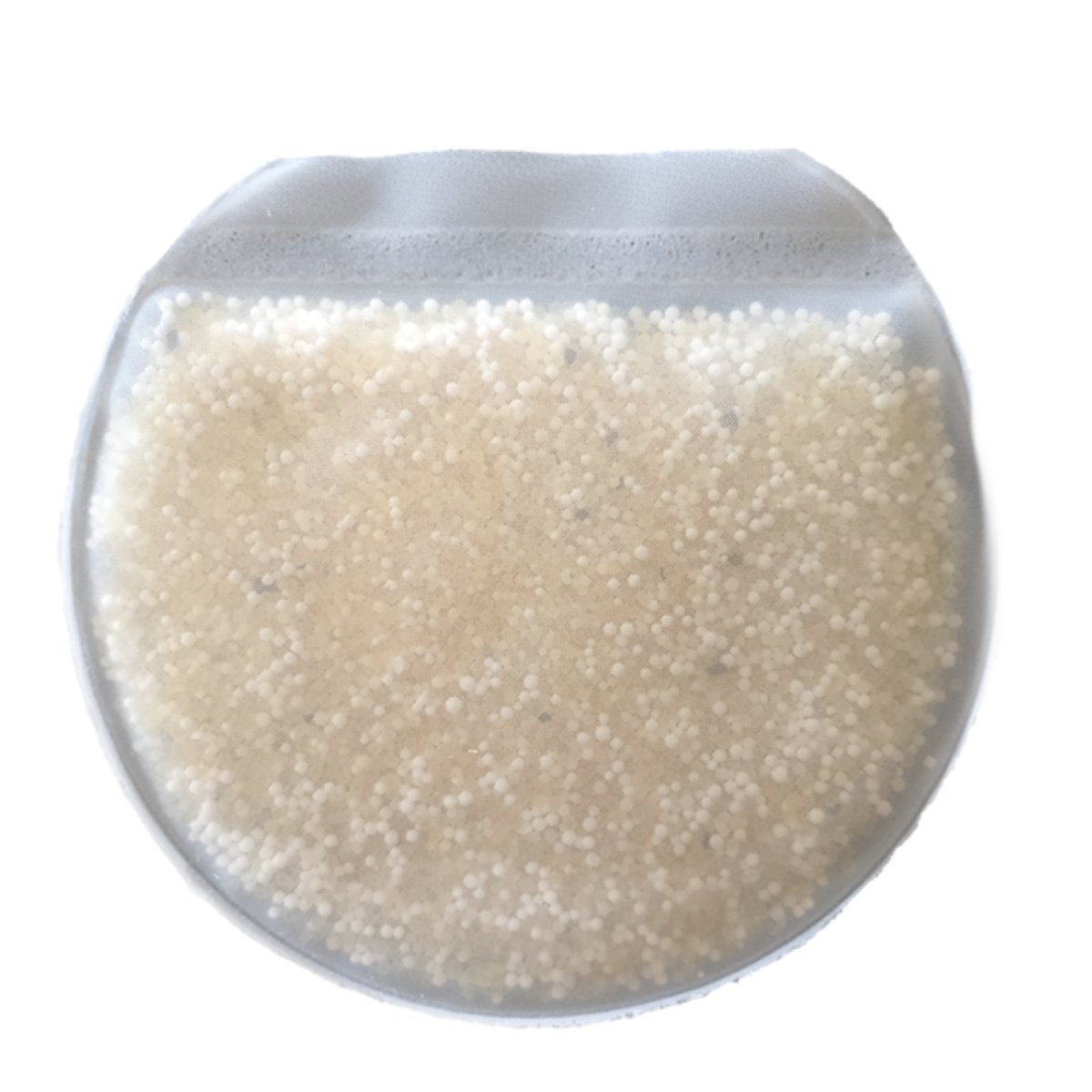
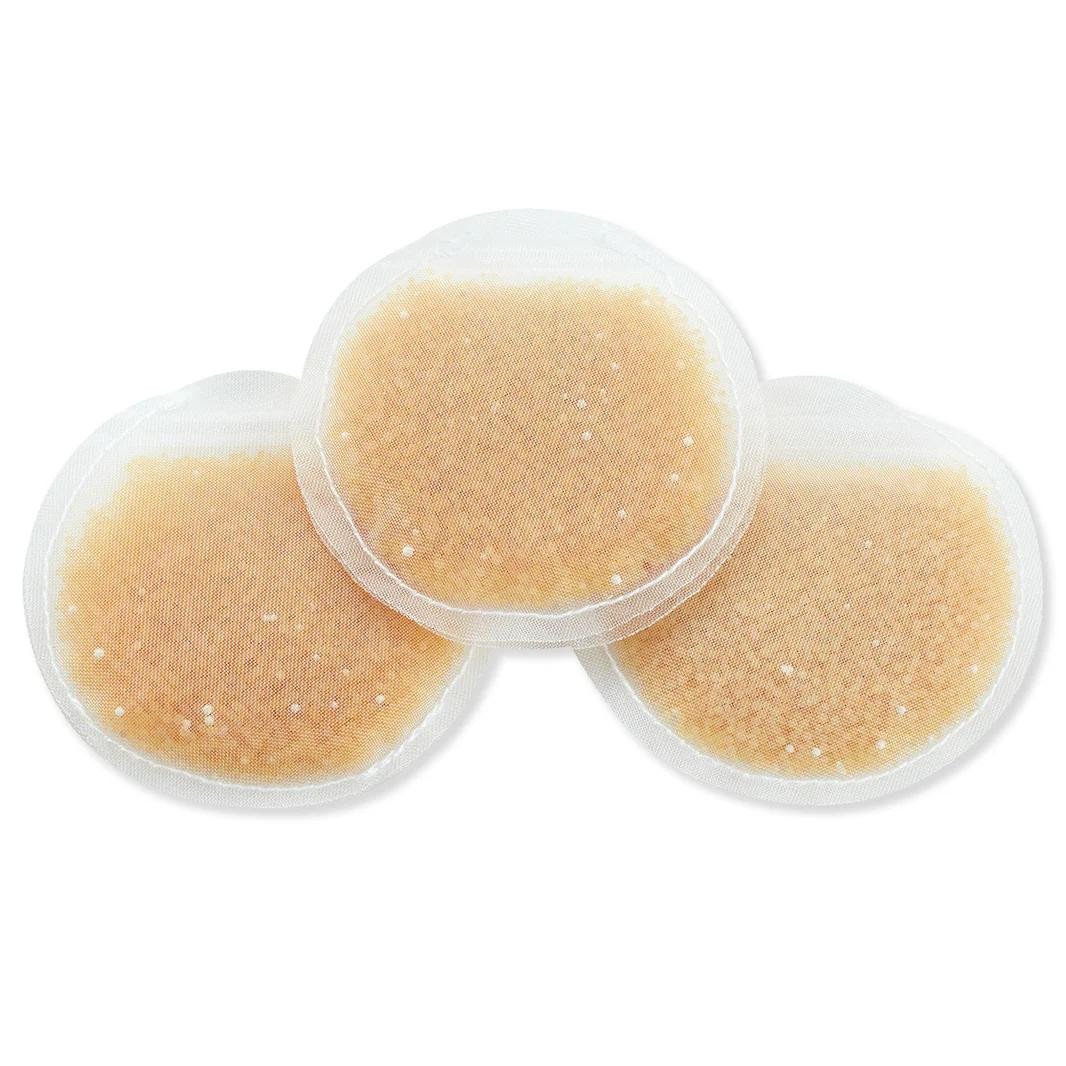
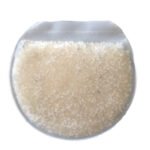
4) Ion exchanger
It provides controlled limestone reduction (no complete demineralization) and supports the reduction of certain inorganic substances.
Installation and compatibility
Simple installation
-
Assembly in minutes – without tools
-
Thanks to the quick-attach system, attachable and detachable in seconds
Compatible with 99% of faucets
-
M22 and M24 main adapters are included in the initial set.
-
Important: the filter is not suitable for low-pressure faucets.
To check the type of fitting:
See our fitting guide or use our thread gauge.
Package contents (initial set)
Included in the initial set are:
-
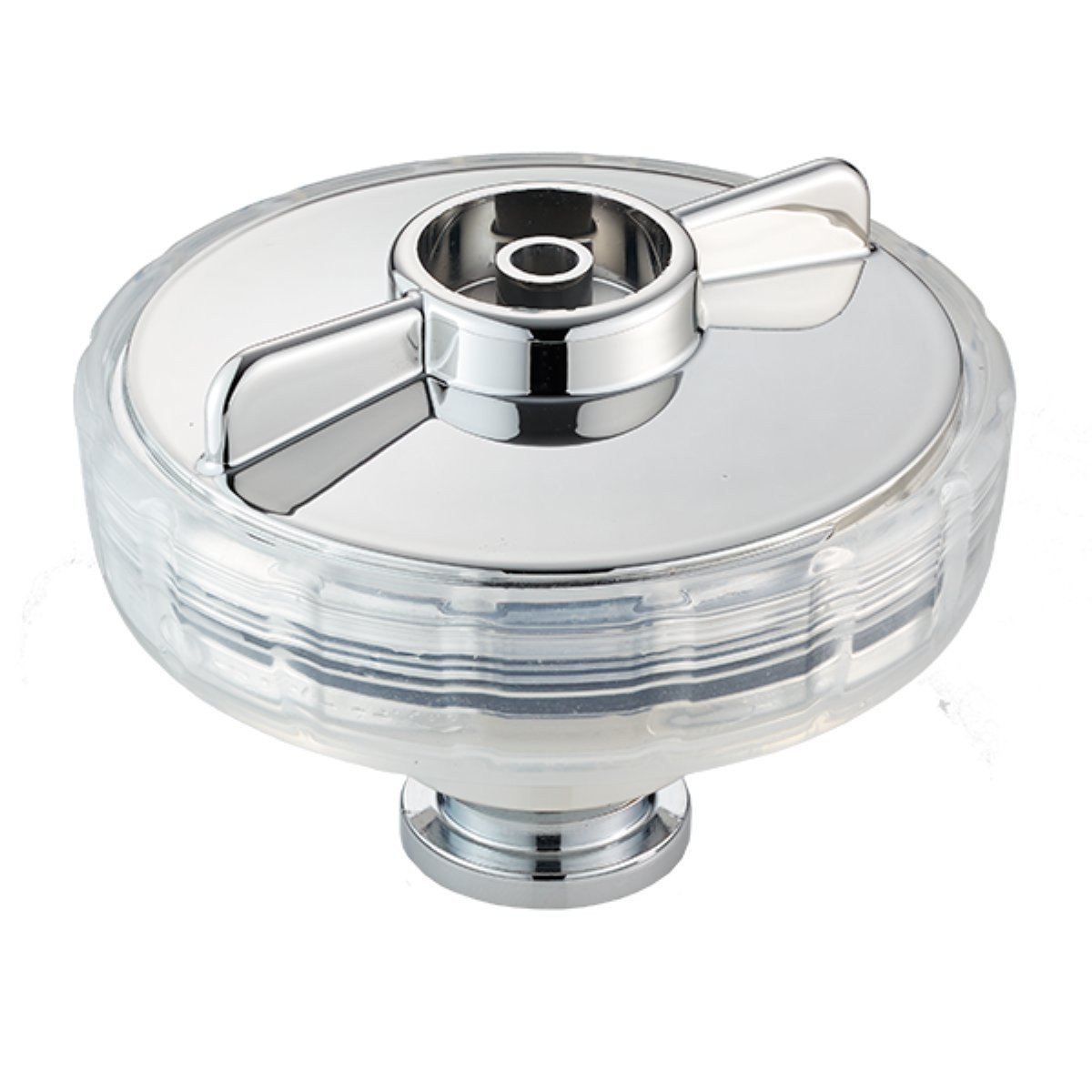
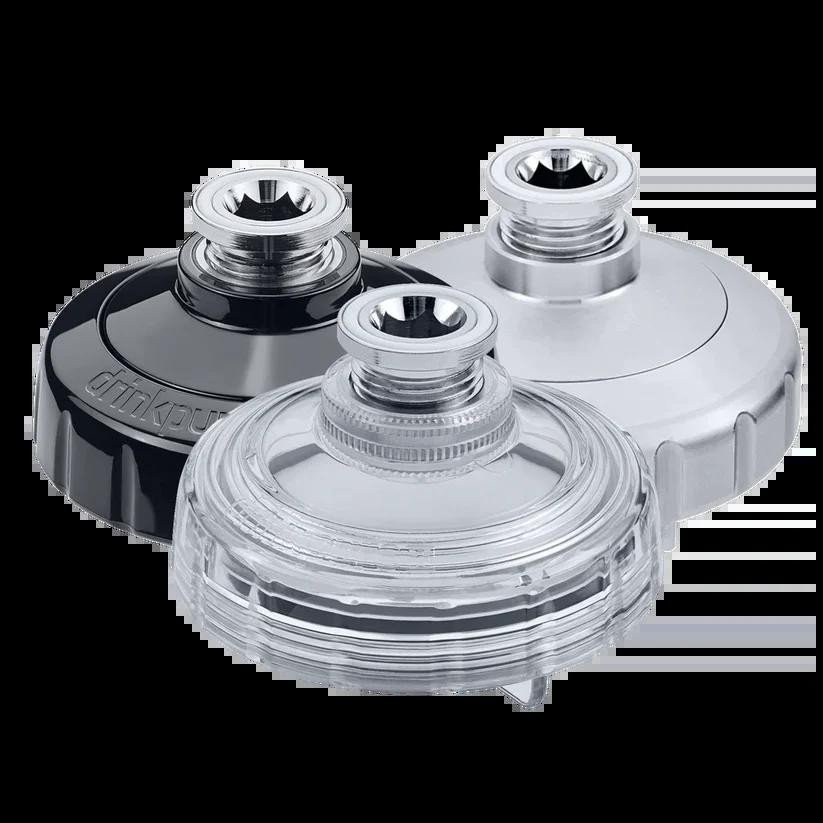
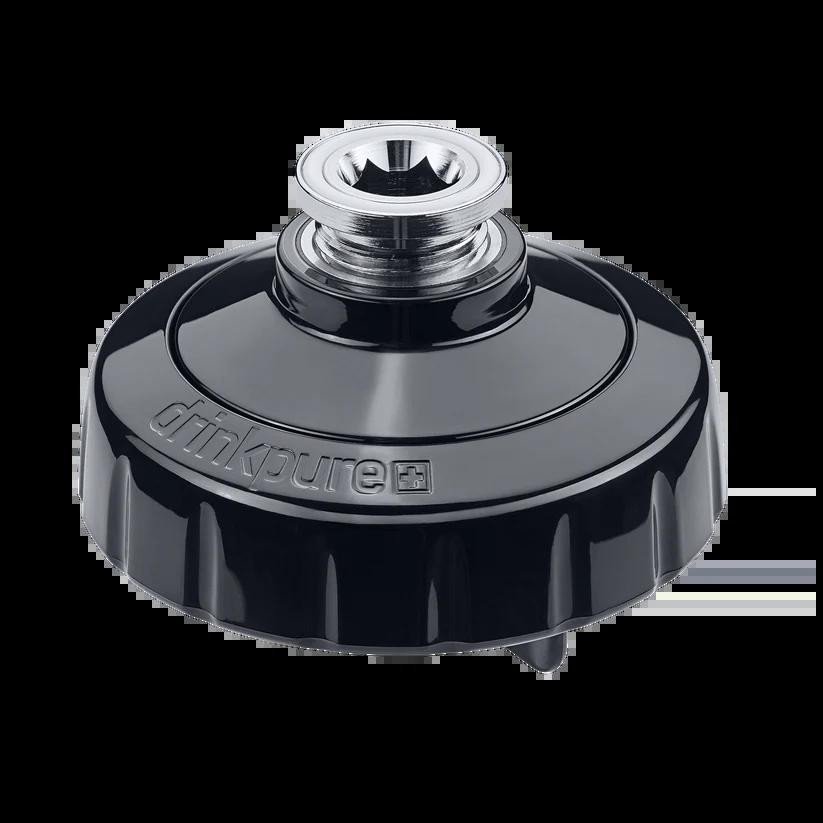
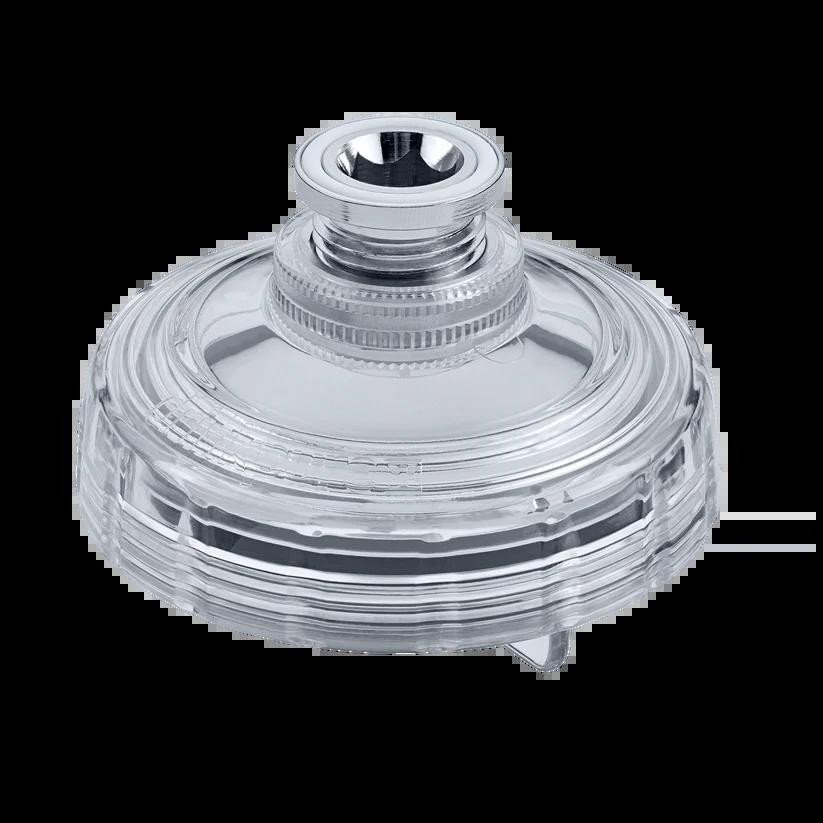
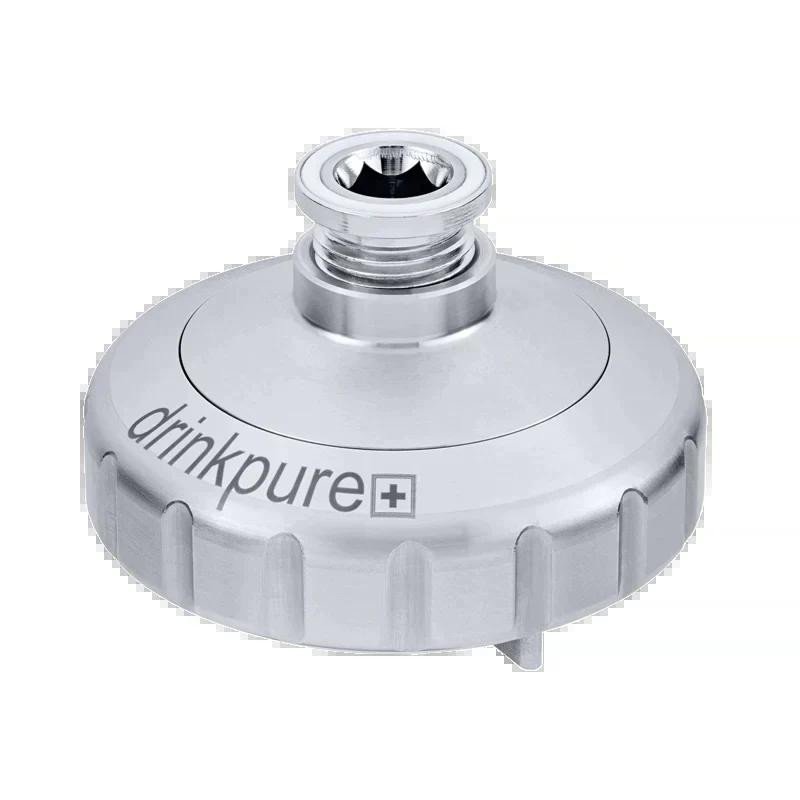
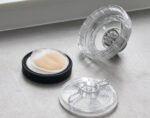
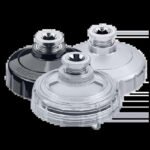
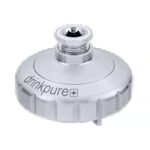
The DrinkPure Body Filter
-
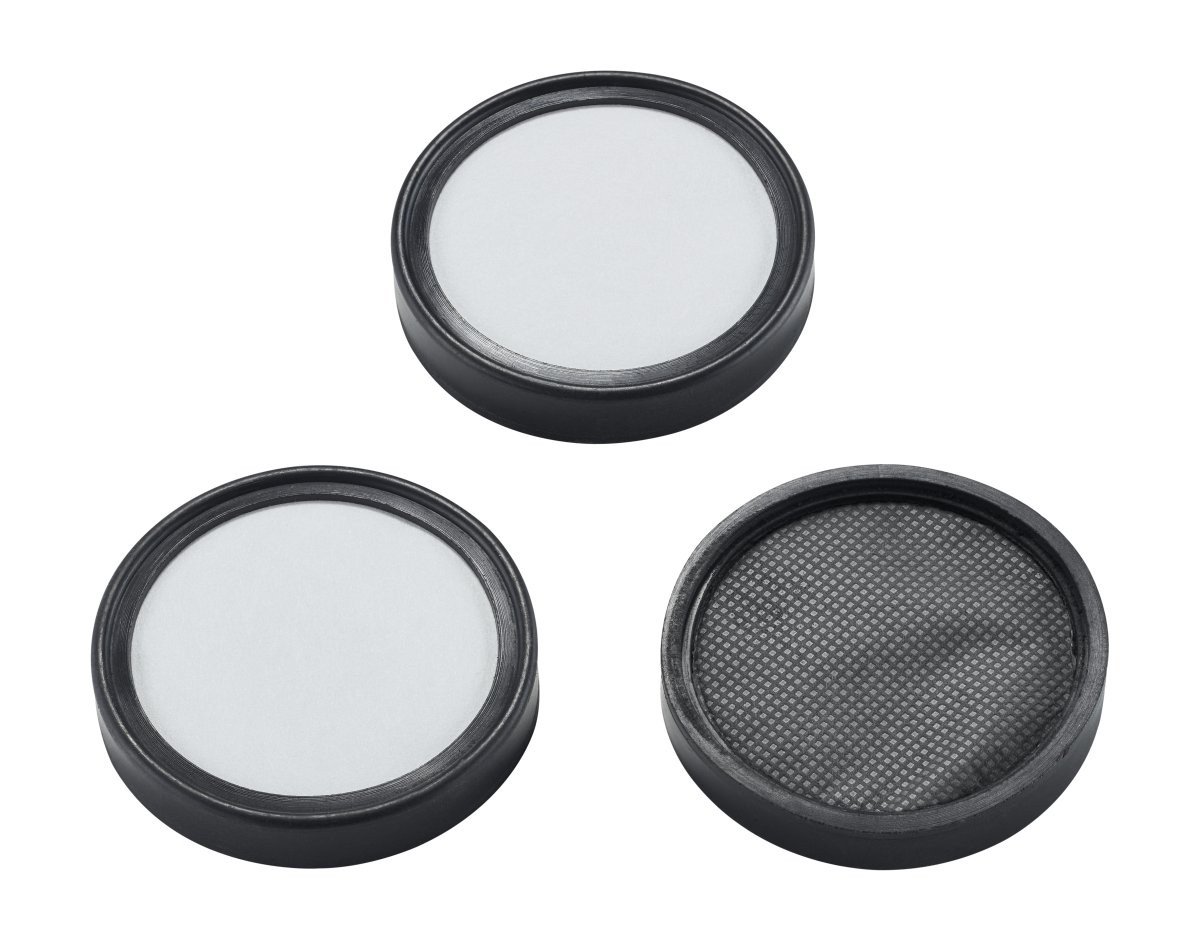
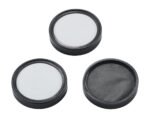
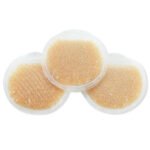
A 2-month replacement filter set consisting of a replacement cartridge and 3 Ion-Pads
-
The quick coupling system
-
M22 and M24 main adapters
-
Wall mount to conveniently store the filter when not in use
What substances are being reduced?
DrinkPure is designed for a wide range of relevant substance categories-with measurable results from independent laboratory testing.
PFAS (“Forever Chemicals”)
What are they?
PFAS (per- and polyfluoroalkyl substances) are extremely persistent industrial chemicals. They are used in coatings, textiles, packaging and industrial processes, among other things, and can reach drinking water through homes, industry and sewage treatment plants. In the environment they virtually do not degrade-hence the term “Forever Chemicals.”
Why is it relevant to you?
PFASs can accumulate in the body and are increasingly the focus of new regulations on drinking water. Even very low concentrations are considered critical. Many conventional filters do not provide reliable results-because they bind PFASs insufficiently or because filtration performance varies widely.
DrinkPure filter performance
In independent laboratory tests, DrinkPure was tested on 19 individual PFAS connections. On all substances tested, the filter showed an average PFAS reduction of about 99%. Most PFASs were reduced below their respective detection limit.
For you, it means consistent and measurable filtration performance across a broad group of PFASs that you can rely on in your daily life.
Detailed test results
DrinkPure’s PFAS filtration performance was analyzed in independent laboratories by quantitative analysis(LC-MS/MS). A total of 19 individual PFAS connections were intentionally added and analyzed separately, including short- and long-chain substances such as PFOS, PFOA, PFNA, PFHxS, PFBS, PFDA, PFDoDA, as well as fluorinated precursors.
Tests were performed with defined initial concentrations(50 ng/L per substance) and evaluated based on measured instrumental values. For most of the PFAS molecules tested, the reduction was 100% to below the limit of quantification (LOQ). Some fluorinated transition substances showed reduction rates between 91% and 97%. The average PFAS reduction across all substances tested was about 99%.
It was also examined whether secondary release(relargage) of PFAS from the filtration system occurred during or after filtration. No significant concentrations of PFAS were detected in the filtrate above the respective detection limits.
Microplastics
What are they?
Microplastics are increasingly being detected in drinking water. The long-term effects on the human body are not yet fully studied, which is why the precautionary principle plays a central role. Decisive is whether a filtration system can actually physically retain particles in the relevant size range.
Why is it relevant to you?
Many filters are not fine enough or do not guarantee consistent results.
DrinkPure filter performance
In independent tests, DrinkPure was tested specifically on microplastics and microparticles in the relevant size range. The results show a reduction of more than 99%. Particles are retained exclusively by physical membrane filtration – without chemical additives and without changing the natural composition of the water.
Detailed test results
Filtration performance against microplastics and microparticles was analyzed under defined laboratory conditions. Standardized particles in the micro- and sub-micrometer range were used. Evaluation was by quantitative particle counting before and after filtration.
Throughout the entire test period, DrinkPure showed a stable and reproducible retention rate of more than 99%. No release of particles previously retained by the filtration system was detected.
Bacteria & Germs
What is it?
Bacteria and germs can enter drinking water from a variety of sources-such as water mains, household fixtures or standing water. These include coliform bacteria and Escherichia coli, among others. Although drinking water is generally controlled, local contamination can occur-particularly in older buildings or where there is long stagnation time.
Why is it relevant to you?
Microbiological contaminations are not visible to the naked eye. Even low concentrations of germs can compromise water quality. It is therefore critical that a filtration system reliably and reproducibly reduces bacteria.
DrinkPure filter performance
In independent laboratory tests, DrinkPure was tested for relevant bacterial loads. Results show over 99.9999% reduction of bacteria tested. Retention is by physical membrane filtration – without chemical additives or disinfectants.
Detailed test result
Microbiological performance was analyzed by challenge test with defined bacterial loads. Raw water was inoculated with known concentrations of bacteria; then samples before and after filtration were quantified microbiologically (culture method, colony plating/counting; indication in CFU per volume).
A reduction greater than 99.9999% (logarithmic reduction ≥ 6) was demonstrated for E. coli. In filtrate, the values were consistently below the limit of detection, while in raw water the initial defined charge was confirmed.
Rust & Sediment
What is it?
Rust, sediment and turbidity often result from corrosion of pipes/faucets or deposits in the water supply. These are solid, visible particles that can impair the sensory quality of water.
Why is it relevant to you?
Particles deteriorate appearance and taste, can damage appliances, clog filters, or settle in household systems. Reliable and durable retention is essential.
DrinkPure filter performance
DrinkPure effectively traps rust particles, sediment and turbidity-through physical membrane filtration without chemical additives.
Detailed test result
Under defined laboratory conditions, water samples were enriched with standardized particles (micro/sub-micrometer range). Turbidity (NTU) and particle concentration were measured before and after filtration.
The results show a turbidity reduction of more than 99%. In the filtrate, values remained consistently below the measurement/detectable limit; retention remained stable over several flow levels.
Limestone & Water Hardness
What is it?
Limestone comes from dissolved calcium and magnesium ions. It is not a contaminant, but it affects taste, appliances, and faucets. The goal is not complete demineralization, but controlled reduction that improves taste and reduces deposits.
Why is it relevant to you?
Very hard water can taste flat or bitter and cause scaling in kettles, coffee machines and faucets. Calcium and magnesium, however, are natural components of drinking water-decisive, therefore, is a balanced reduction.
DrinkPure filter performance
DrinkPure reduces limestone in a targeted and controlled manner. The natural mineral composition is maintained – without chemical additives.
Detailed test result
Water samples with defined total hardness were analyzed in the laboratory; calcium and magnesium ions as well as total hardness (as CaCO₃ equivalent) were determined before and after filtration.
Result: measurable reduction in total hardness in the filtrate, stable and reproducible over the entire test period. Calcium and magnesium remain present-no complete demineralization.
Pesticides & Agricultural Residues
What is it?
Pesticides (herbicides, insecticides, fungicides) can reach drinking water through rain, soil and groundwater. Many active ingredients are stable and are only partially removed in conventional processes.
Why is it relevant to you?
Pesticide residues are regularly detected. It is crucial that a system reduces a wide range of substances-not just single compounds under ideal conditions.
DrinkPure filter performance
In independent tests, DrinkPure was evaluated on several relevant pesticides. Result: average reduction of more than 95%-thanks to high-density activated carbon combined with membrane.
Detailed test result
Various pesticides were added to the test water in the µg/L range and analyzed before/after filtration. Evaluation was done on multiple points up to 600 liters of filtered volume.
Performance remained stable and reproducible even with increased volume.
Pharmaceutical Residues & Organic Micropollutants
What is it?
They come from pharmaceuticals, household products and industry. They can reach drinking water through sewage treatment plants. Many are biologically active even at very low concentrations.
Why is it relevant to you?
Sewage treatment plants do not completely remove all trace organics. Therefore, a system capable of reducing a wide range of chemically different compounds is needed.
DrinkPure filter performance
Average reduction of more than 95% on all substances tested-via adsorption on activated carbon combined with membrane.
Detailed test result
Tests performed under defined and reproducible conditions at multiple measurement points. Concentrations in filtrate remained significantly lower than initial values; performance remained stable with increasing filtrate volume.
Heavy metals
What is it?
They can come from geology, old pipelines, or industrial contamination. These include: lead, mercury, cadmium, arsenic, chromium.
Why is it relevant to you?
Some metals can be relevant already at very low concentrations-especially in older buildings. A stable and sustained reduction is needed.
DrinkPure filter performance
Average reduction of more than 95%-thanks to the combination of membrane, activated carbon, and ion exchanger.
Detailed test result
Metals added in defined concentrations and analyzed before/after filtration on multiple flow rates. Stable and reproducible reduction throughout the test.
Chlorine
What is it?
Chlorine is used for disinfection of drinking water. However, it can affect odor and taste. Byproducts such as trihalomethanes (THMs) can also be formed.
Why is it relevant to you?
Chlorine and byproducts impair sensory quality and are subject to health assessments.
DrinkPure filter performance
Effective reduction of free chlorine and byproducts by adsorption onto activated carbon-evident improvement in taste, without chemical additives.
Detailed test result
Chlorine reduction determined quantitatively (standardized photometric analysis). Result: reduction greater than 95%, stable performance. THMs were significantly reduced; no early saturation in the expected range of use.
Summary: Why DrinkPure?
-
Water you can really trust
-
Developed at ETH Zürich
-
Filters over 100 substances including PFAS and microplastics
-
Scale reduction that really works
-
Patented Swiss PFAS-free membrane
-
Easy installation – compatible with 99% of faucets
-
Sustainable alternative to plastic bottles